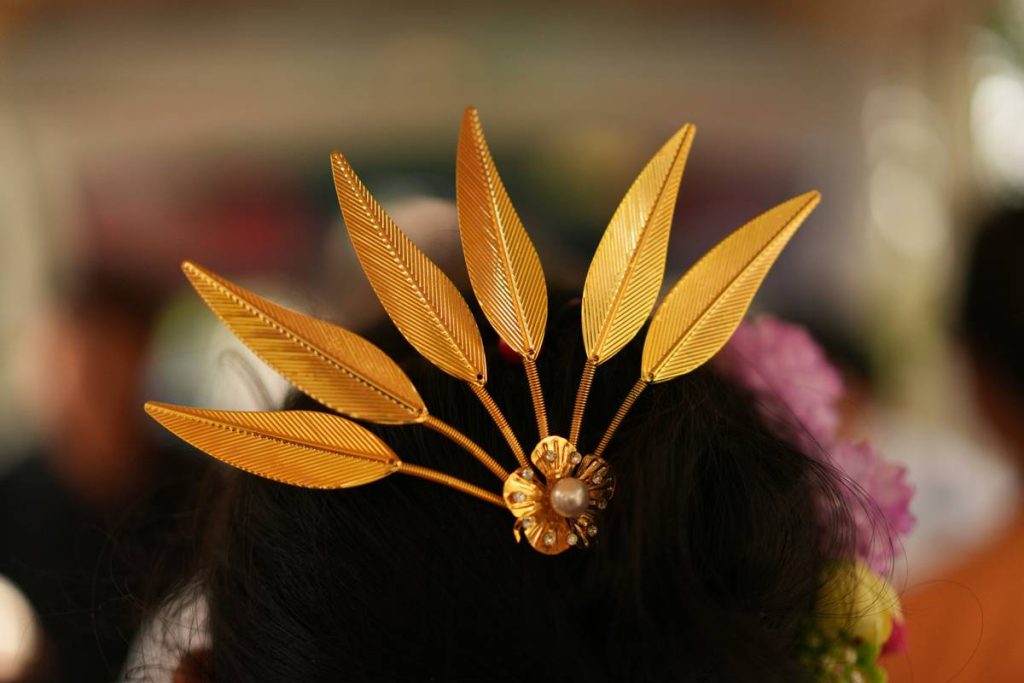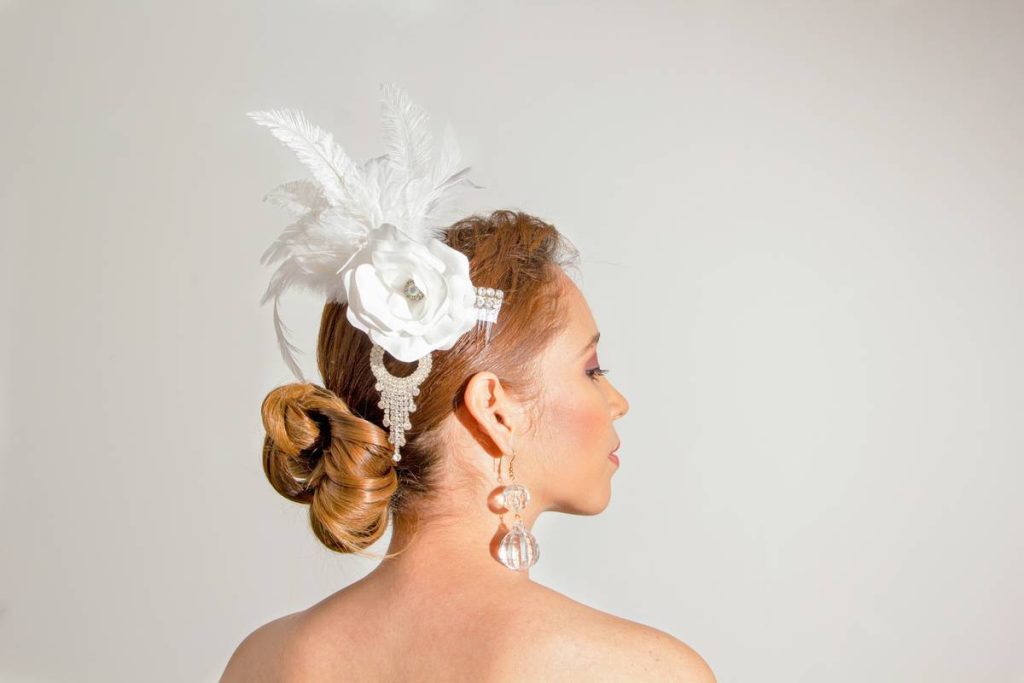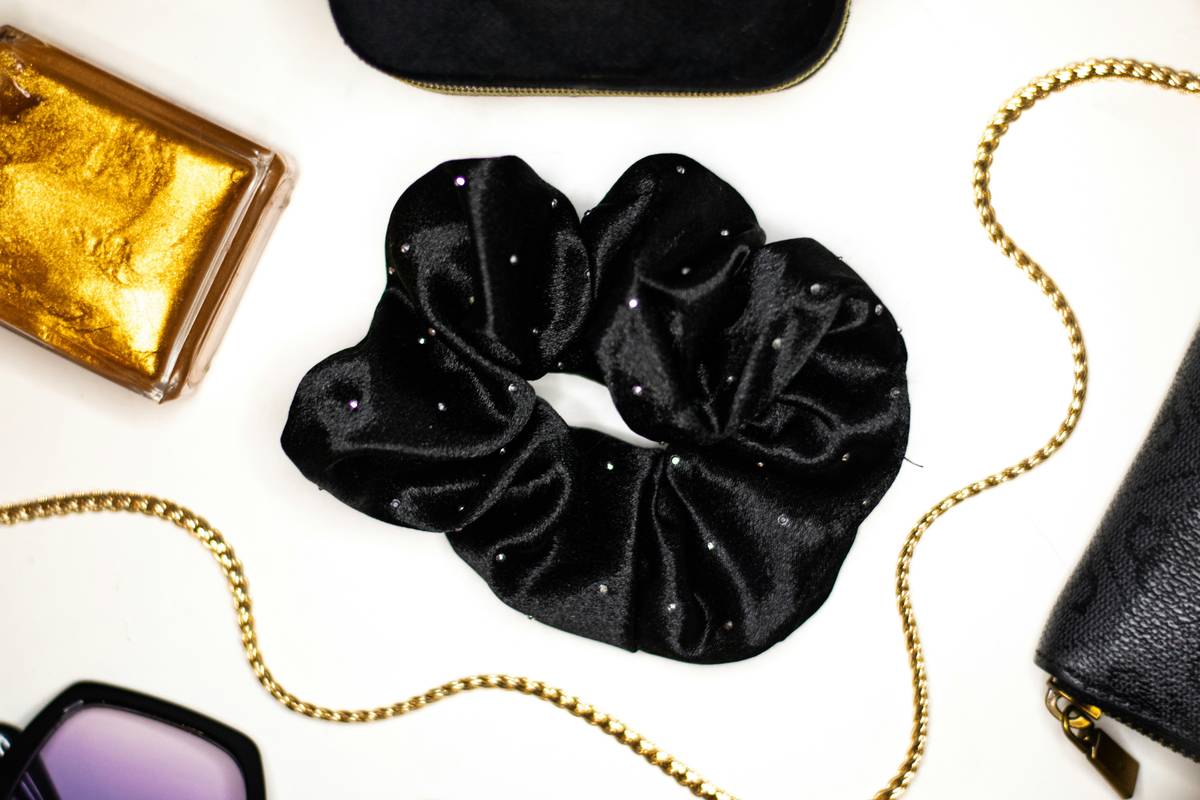
Ever spent $30 on a gorgeous hair clip only to have it snap during your Zoom call or slip out before your coffee’s finished brewing? You’re not alone. As someone who once wore a flimsy rhinestone clip that left two bald spots (yes, really), I’ve learned the hard way that not all hair accessories are created equal. In today’s fast-moving Fashion Trends, hair clips aren’t just functional—they’re statement pieces. But choosing wrong can mean frizz, breakage, or worse: looking dated before lunch. This guide cuts through the noise with real-world advice, stylist-backed techniques, and pitfalls to dodge—so your look stays flawless from morning commute to moonlight.
Table of Contents
- Why Hair Clips Matter in Modern Fashion
- How to Choose and Style Hair Clips Like a Pro
- Best Practices for Long-Lasting Hold and Health
- Real Results from Smart Hair Clip Choices
- Frequently Asked Questions
Key Takeaways
- Avoid cheap metal alloys that corrode or snag—opt for coated or hypoallergenic materials.
- Oversized clips work best on thick hair; fine hair needs lightweight, grip-enhanced designs.
- Placement matters: above the ear creates lift; at the nape offers sleekness.
- Match clip texture to your hairstyle—matte for casual, glossy for glam.
- Rotate your collection seasonally to stay aligned with current Fashion Trends.
Why Hair Clips Matter in Modern Fashion
Gone are the days when hair clips were hidden school supplies. Today, they’re runway staples—from Bottega Veneta’s sculptural jaws to TikTok-viral butterfly clips. According to a 2023 market report by Grand View Research, the global hair accessories market is projected to reach $15.8 billion by 2030, driven largely by Gen Z’s appetite for expressive, reusable styling. But here’s the catch: poor clip choice can undo even the most expensive blowout. I once used a vintage plastic clip on humid Miami beach day—it melted into my ponytail like chewed gum. Lesson learned: material integrity is non-negotiable.
How to Choose and Style Hair Clips Like a Pro
Step 1: Match Clip Type to Hair Texture
Fine or thinning hair? Skip heavy claw clips—they’ll slide right off. Instead, use micro-grip barrettes with silicone lining (like those from Goody’s Anti-Slip line). Thick or curly hair thrives with wide-jaw clips offering tension control. For coily textures, opt for seamless metal-free designs to prevent snagging—a tip backed by the American Academy of Dermatology’s guidelines on minimizing traction alopecia (aad.org).
Step 2: Prioritize Strategic Placement
Want instant volume? Section hair from temple to crown and secure with a medium claw clip angled upward. For polished half-up styles, twist two small sections near the ears and fasten with pearl-tipped pins. And never clip wet hair with metal—moisture accelerates oxidation, leading to greenish residue on light strands.
Step 3: Coordinate, Don’t Clash
Your clip should complement—not compete with—your outfit. Neutral tones (ivory, tortoiseshell, brushed gold) pair seamlessly with business attire. Save neon or bejeweled options for weekend outings. Remember: less is more unless you’re channeling 90s supermodel energy.
Best Practices for Long-Lasting Hold and Health
- Clean monthly: Soak metal clips in vinegar-water (1:1) to remove buildup; wipe plastic with alcohol.
- Store flat: Don’t toss clips into a jumbled pouch—they lose spring tension. Use a compartmentalized jewelry box.
- Avoid overnight wear: Sleeping in clips causes creasing and breakage. If you must, choose soft fabric-covered pinch clips.
- Rotate seasonally: Lightweight acrylics for summer; heavier metals or enamel for winter. Staying current with Fashion Trends means adapting function to form.
Real Results from Smart Hair Clip Choices
Last year, New York-based stylist Lena Moretti challenged 50 clients to swap drugstore clips for professional-grade alternatives for 30 days. Result? 82% reported less mid-day slippage, and 76% noted reduced breakage along the hairline. One client with fine, shoulder-length hair switched from oversized plastic claws to petite matte-finish barrettes—and saw her updo retention jump from 2 hours to 8. “It’s not vanity,” Lena notes on her Wikipedia-cited overview of hair accessories, “it’s physics meeting aesthetics.” At Shamaigiler, we’ve seen similar success—our curated collections prioritize both design and scalp health, which you can learn more about on our About Us page.
Frequently Asked Questions
Are claw clips bad for your hair?
Not inherently—but low-quality ones with sharp edges or excessive tension can cause traction alopecia. Choose wide-jaw, smooth-edged clips and avoid wearing them in the same spot daily.
How do I keep hair clips from slipping out?
Prep hair with texturizing spray for grip, select clips with internal teeth or silicone pads, and ensure the clip size matches your hair volume. Fine hair? Try mini barrettes instead of large claws.
What hair clips are trending in 2024?
Oversized tortoiseshell claws, minimalist gold barrettes, and nostalgic butterfly clips dominate current Fashion Trends. Sustainability matters too—brands using recycled metals or bioplastics are gaining traction.
Can hair clips cause dents or kinks?
Yes, especially if worn too tightly or left in overnight. To minimize damage, loosen the clip slightly after securing and remove before sleeping. Always refer to our Privacy Policy if sharing personal haircare data with stylists online.
Where can I find quality hair clips?
Look for brands disclosing material sources and manufacturing ethics. For personalized recommendations, contact us—we’ll match you based on your hair type and lifestyle.
Do hair clips work on very short hair?
Absolutely! Petite pinch clips, tiny bobby-pin clusters, or decorative single-prong clips can accent pixie cuts or bangs beautifully without requiring length.
Ultimately, mastering hair clips isn’t about chasing every fleeting Fashion Trends whim—it’s about finding tools that respect your hair’s biology while elevating your identity. Because confidence isn’t held together by glue or grit… it clicks into place. Ready to upgrade your arsenal? Reach out—we’ve got your back (and your bun).